
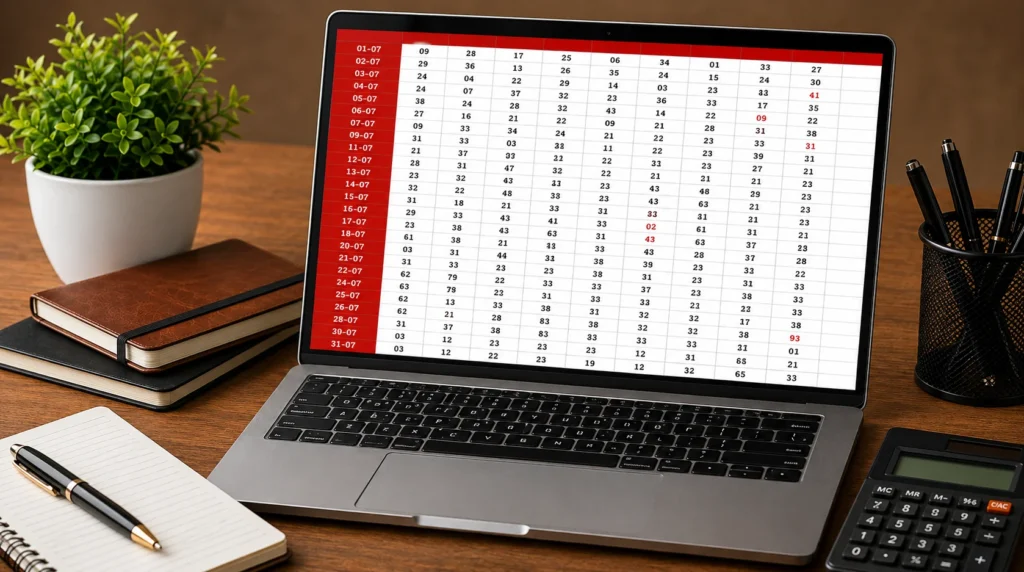
Understanding a chart format can feel confusing for beginners because it contains different numbers, terms, and records arranged in a specific way. The Delhi Bazar Satta Chart is a structured format that displays result records in an organized manner. Once you understand how the chart is arranged and what each section represents, reading it becomes much easier.
A chart mainly helps users view result history, check previous records, and understand how daily entries are displayed. Instead of viewing numbers randomly, learning the basic format allows you to read the information in a clear and simple way.
This guide explains the Delhi Bazar Satta Chart, important terms, and simple steps to understand it better.
What Is Delhi Bazar Satta Chart?
The Delhi Bazar Satta Chart is mainly used to display result records in an organized manner. It contains date-wise entries that help users check previous records and recent updates.
The chart is usually arranged in rows or columns where different details are mentioned clearly. Each entry represents a particular date and contains number-related information according to the chart format.
Before exploring detailed records, beginners should first understand how the chart is arranged and what each section means.
Why Understanding the Chart Format Is Important
Knowing how to read a chart makes it easier to understand the information shown in it. Without basic knowledge, the numbers and formats may look confusing. A proper understanding helps you:
- Identify different sections of the chart.
- Read date-wise entries easily.
- Understand common terms used in the chart.
Learning the format is the first step toward understanding any chart properly.
Important Terms You Should Know
Learning common terms makes chart reading easier. Here are some basic terms beginners should know:
Open Number
The open number represents the first digit shown in a result entry. It is one of the main parts used to create the complete result format.
Close Number
The close number represents the second digit of the result entry. It completes the result combination displayed on the chart.
Jodi Number
A jodi number is created by combining the open and close numbers together. For example, if the open number is 4 and the close number is 7, the jodi number becomes 47.
Previous Records
Previous records refer to older chart entries stored by date. These records help users view past information in an organized format.
Steps to Understand Delhi Bazar Satta Chart Easily
Reading the chart becomes easier when you follow a simple process.
Step 1: Start With the Date Format
The first thing to check in a chart is the date. Each result entry is connected with a particular day, which helps organize the information properly.
For example:
- 10 June – Result Entry
- 11 June – Result Entry
- 12 June – Result Entry
Understanding the date sequence helps you follow the chart from one day to another.
Step 2: Learn the Result Structure
After understanding the dates, focus on how numbers are displayed. A result generally contains different parts, including open, close, and jodi values.
Learning how these parts are connected makes it easier to understand the complete chart format.
Step 3: Check Old Chart Records
Old records help you understand the history of previous entries. Instead of checking only one day’s information, viewing multiple records gives a clearer idea of how the chart is arranged.
Historical charts are useful for beginners because they provide examples of previous formats and entries.
Step 4: Follow the Chart Regularly
Regularly checking the chart format helps you become familiar with the arrangement of information. Over time, recognizing dates, numbers, and sections becomes easier.
Different Ways Charts Are Organized
Charts can be displayed in different formats depending on the type of information included.
- Daily Chart: A daily chart displays recent entries and is updated regularly. It is useful for checking the latest information in a simple format.
- Weekly Chart: A weekly chart shows records from multiple days together. It provides a short-term view of entries in one place.
- Monthly Chart: A monthly chart contains records from a longer period. It helps users view previous entries in an organized timeline.
Common Mistakes Beginners Should Avoid
Many beginners find charts difficult because they try to understand everything at once. Starting with basic sections is a better approach. Common mistakes include:
- Not understanding the difference between open, close, and jodi numbers.
- Looking at only one entry instead of checking the complete chart.
- Ignoring the importance of old records.
- Getting confused by different chart formats.
Learning step by step makes the process easier and reduces confusion.
Explore Delhi Bazar Satta Chart at Satta20
If you are looking for the Delhi Bazar Satta Number Results updates, Satta20 provides chart information in a simple and organized format. The platform displays result details clearly, making it easier for users to check daily updates and previous records.
Satta20 helps users explore Delhi Bazar chart information without confusion. Visit Satta20 today to check the Delhi Bazar Satta chart and stay updated with recent result information.
Explore the Delhi Bazar Satta Chart in a simple, organized format and review available chart information with ease. Satta20 provides a convenient place to explore Delhi Bazar chart updates and previous records.