
Checking a result should be simple, but finding the right information online is not always easy. Many result pages contain several markets, dates, and short forms, which can make the information confusing at first. If you are specifically looking for the Gaziabad Satta Result, you need to know where to look and how to identify the correct entry.
A well-organized result chart can make this process much easier. Instead of searching through different pages, you can use a date-based chart to find the market and review the available result information in one place.
What Is a Gaziabad Satta Result?
The Gaziabad Satta Result is the published result information associated with the Gaziabad market. On result websites, this information is generally presented alongside results for other markets.
The easiest way to understand the information is through a result chart. A chart brings dates and market entries together, allowing visitors to locate a particular day without having to search through multiple individual pages.
It is important to remember that a historical result is simply a record of a previously published outcome. It should not be treated as a prediction of future results.
Why Can Result Charts Be Confusing?
A typical result chart may contain several columns with abbreviated market names. If you are visiting the page for the first time, it may not be immediately clear which column contains the information you need.
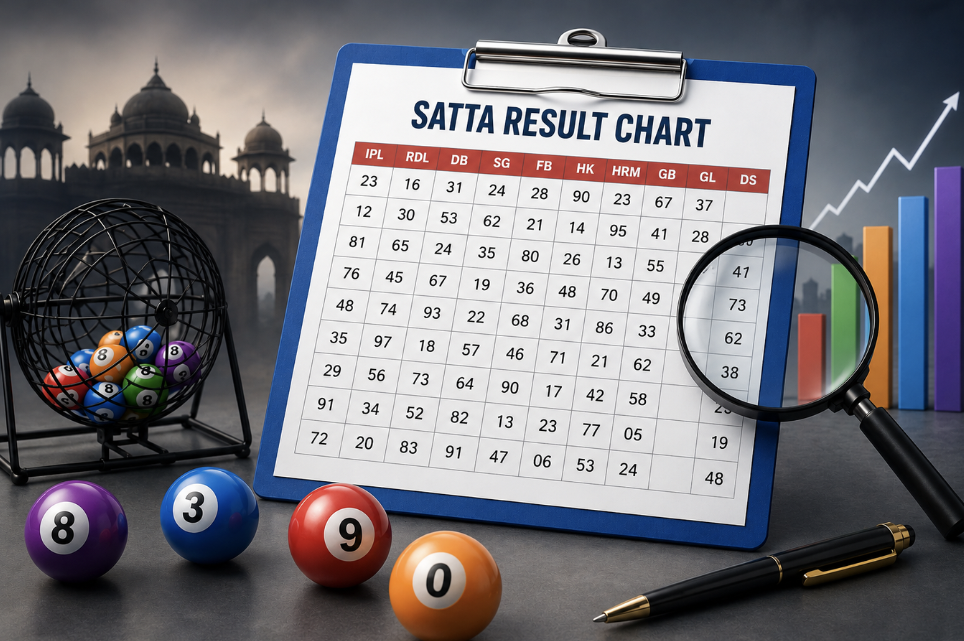
For example, Satta20’s current result chart lists markets including IPL, RDL, DB, SG, FB, HK, HRM, GB, GL, and DS. The table is arranged by date, with each market appearing in its own column.
This means that knowing the market abbreviation can save time when checking a particular result.
How Satta20 Organizes the Result Information
Satta20 provides a dedicated Result Chart where available results are displayed in a straightforward table. The page includes a date column followed by different market columns, making it possible to follow a particular date across the table.
For someone looking for the Gaziabad Satta Result, the key detail is the GB column. Once you locate the date you are interested in, you can move across that row and check the corresponding GB entry.
This simple approach can make a large result table much easier to understand.
How to Check the Gaziabad Satta Result
Start by visiting the Satta20 Result Chart page. Once the page loads, look at the available result table and identify the date you want to check.
Next, find the GB column. Match the date in the first column with the GB entry in the same row. This helps you avoid accidentally reading a number from another market.
If you are checking a recent result, make sure you also check whether the entry has already been updated. Unavailable or future dates may not contain a result yet.
How to Read the Result Chart Correctly
Reading a chart becomes easier when you break it into two parts: date and market.
The date tells you when the result entry belongs, while the market column tells you which market the information relates to. For Gaziabad, look for the GB heading on the Satta20 chart.
For example, rather than scanning every number on the page, first locate your required date. Then move horizontally across that row until you reach GB. This reduces confusion and helps you identify the relevant information more quickly.
What If You Want to Check an Older Result?
Sometimes you may be looking for a result from an earlier date rather than the latest available information. In that situation, the date or period selection on a result page can be useful.
Choose the appropriate period if the page provides that option, then locate the required date in the chart. Once you find the date, check the GB column for the corresponding Gaziabad entry.
When reviewing older information, always verify the month and year as well as the day. This is especially important when comparing records from different periods.
Why Use a Dedicated Result Chart?
A dedicated chart saves time because related information is placed together. You do not have to search through several separate articles just to find a particular date.
Satta20’s chart presents multiple markets in a single table, allowing visitors to review available information from one location.
For users who only want to check published result information, this type of layout can be more convenient than searching through scattered pages.
Keep the Information in Perspective
Historical charts can help you review previously published information, but they cannot tell you what a future result will be. Numbers appearing in previous records do not create a reliable way to predict another result.
For this reason, a Gaziabad Satta Result chart should be viewed as an information and record-keeping resource. Do not assume that a previous result guarantees or indicates a future outcome.
You should also check the laws that apply where you live. Satta20’s own disclaimer states that gambling or Satta may be banned or illegal in some countries and places responsibility on users to follow applicable laws.
Final Thoughts
Finding a Gaziabad Satta Result becomes much easier when you understand how the result chart is organized. Start with the date, locate the GB column, and read the entry from the same row.
For a simple way to review available result information, visit the Satta20 Result Chart. Always verify the date and market before using any information, and make sure your use of such information complies with the laws applicable to your location.
Frequently Asked Questions
Where can I check the Gaziabad Satta Result?
You can check the available information through the Satta20 Result Chart. Look for the relevant date and then check the GB column.
What does GB mean on the Satta20 result chart?
On the current Satta20 result chart, GB is the market abbreviation used for Gaziabad.
How do I find a specific date?
Start with the date column on the left side of the chart. Once you find the required date, follow that same row across to the GB column.
Can I check previous Gaziabad results?
Yes, where historical entries are available, you can use the result chart to review earlier dates and records. Always verify the exact date and period before reading an entry.
Can previous results predict future results?
No. Previous results are historical records and should not be considered a reliable method for predicting future outcomes.
Why are some result entries missing?
A future date may not have a published result yet, or a particular entry may not be available on the chart. It is best to check the page again when the relevant information is expected to be updated.